
June 26, 2026
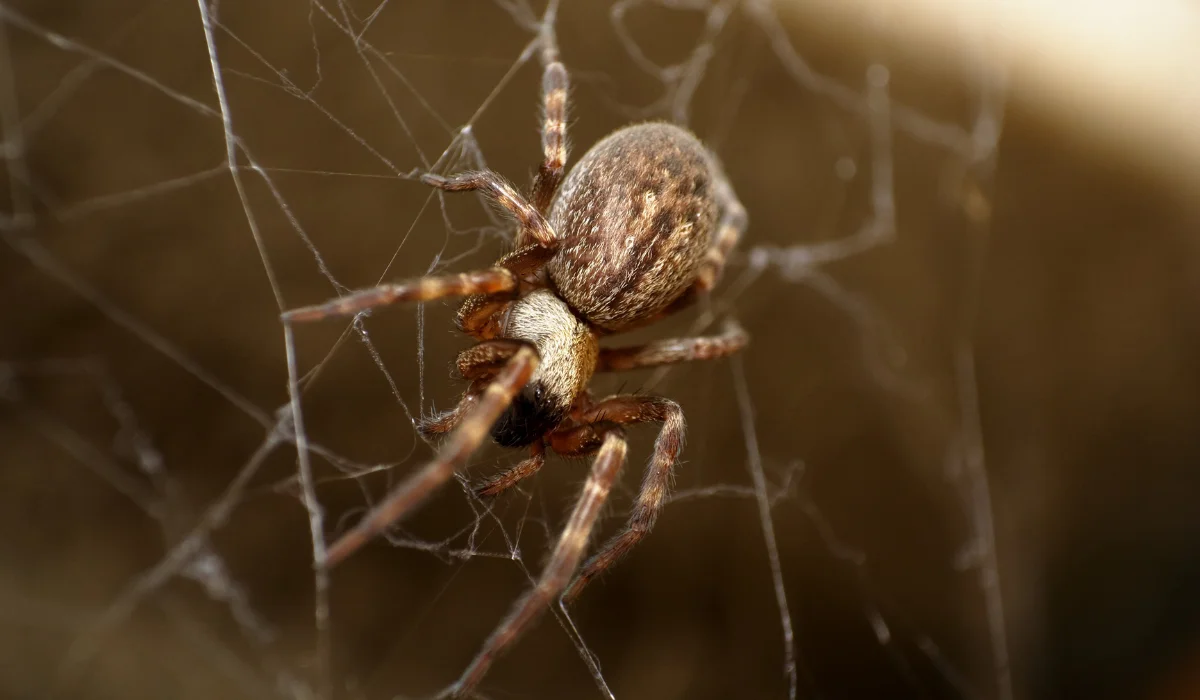
Seeing one spider indoors does not always mean you have a serious problem. But when webs keep coming back, spiders show up in several rooms, or activity increases around storage areas, it is time to look closer.
Spiders usually enter homes for two reasons: they are following insects or looking for quiet shelter. The best way to reduce spider activity is to remove the conditions that support them, seal common entry points, and use treatment where spiders and their prey are most likely to move.
Key Takeaways
- Spider control starts with reducing the insects they feed on.
- Webs, repeated sightings, egg sacs, and activity in storage areas can point to an indoor spider problem.
- Garages, basements, closets, window corners, eaves, and foundation gaps are common places to check. Decluttering and sealing gaps can make your home less inviting to spiders.
- Professional treatment can help when spider activity continues after cleaning, sealing, and web removal.
How to Identify Common House Spiders
Before deciding how to get rid of spiders in your house, start by identifying what kind of spider you may be seeing. Most indoor spiders are nuisance pests, but a few species deserve more caution.
Know Which Spider Species Matter Most
The species you find in your home matters. Most spiders can produce venom and may bite, but only a small number pose serious health concerns for people. Brown recluse and black widow spiders are among the species homeowners should treat with extra caution.
Some brown spiders are easy to misidentify, especially when they appear in storage areas, basements, or garages. For South Dakota homeowners, a local spider identification guide is a better starting point than assuming every brown spider is a brown recluse. If you find a spider you are unsure about, avoid handling it directly and contact a pest control professional for identification.
How to Spot Spider Activity Inside Your Home
Webs are the most obvious sign that spiders have moved indoors. Look for webbing in corners, along ceiling edges, and behind furniture. Not all species build visible webs, so you may also notice spiders themselves walking across floors or walls, especially during the evening.
If you spot a brown-colored spider, check its size and leg proportions against the brown recluse description above. When you are unsure about the species, capturing the spider in a jar for closer inspection can help with identification.
Where Spider Activity Shows Up Around Your Home
Spiders tend to settle in quiet, undisturbed areas of a home. Garages, basements, and closets are common places to find them. Rooms with less foot traffic give spiders space to build webs and hunt without interruption.
Pay attention to areas where you notice repeated webbing. If webs reappear within a day or two of removal, that spot likely has ongoing spider activity. Check these areas each week to get a clearer picture of how many spiders are present and which species you may be dealing with.
Exterior Entry Points Spiders Use Around Your Home
Spiders enter homes through gaps around doors, windows, and the foundation. Cracks in eaves and openings where utility connections pass through walls can also serve as entry points. Inspecting these areas helps you understand where spiders are getting inside.
Pfitzer Pest Control treats the exterior foundation, the full perimeter of the house, around all doors and windows, and eaves as part of a standard service. The treatment extends approximately two to three feet out from the foundation perimeter, creating a barrier across the surfaces spiders typically cross when moving indoors.
Why Spider Problems Develop in Your House
Spiders show up indoors for straightforward reasons: they follow food sources and seek sheltered nesting spots. Understanding what draws them in and how they travel through your home helps you focus your prevention efforts in the right places.
Outdoor Nesting Areas for Spiders Around Your Home
Outdoors, debris piles can provide good habitat for spiders such as black widows. Stacked firewood, old lumber, and yard clutter create the dark, undisturbed conditions many species prefer. Keeping debris from piling up around your home’s exterior removes nesting opportunities before spiders move closer to entry points.
Food and Shelter That Attract Spiders to Your Home
Some spider species nest indoors, while others nest outside and enter a home looking for food. Spiders feed on other insects, so any existing insect activity inside your home can draw them in. Reducing the food supply that those insects rely on can help lower spider pressure over time.
Brown recluses and southern house spiders tend to nest in dark, undisturbed storage areas. Closets, boxes left untouched for long periods, and similar spaces offer the sheltered conditions these spiders seek. American house spiders nest in corners of windows, basements, and garages.
How Spiders Move Around Your Home
Some spiders found indoors in South Dakota can look similar at first glance, especially when they are brown, long-legged, or found in basements, garages, and storage areas.
You can compare common species before assuming the spider is a brown recluse. If sightings continue or you are unsure what species you are seeing, avoid handling the spider directly and contact a pest control professional for identification.
Black widows are less common in homes than brown recluse spiders, but control measures are much the same. Recognizing which species you are dealing with helps you target the right areas.
Trails and Entry Points Spiders Use in Your House
Spiders access indoor spaces through voids, cracks, crevices, and gaps along baseboards. These openings along your home’s foundation, doors, and windows serve as highways from outdoor nesting sites to interior shelter. The exterior barrier treatment described above addresses these pathways before spiders cross into your living space.
Full exterior treatments are performed in May, July, and September. A fall application can be especially valuable because spiders are a top-priority pest during that season. Interior treatment is available when temperatures are too cold for exterior applications.
Risks from House Spiders
Health Risks Linked to House Spiders
Most spiders found indoors are nuisance pests, but some species raise legitimate health concerns. Certain spiders, such as the brown recluse, can nest in wall voids and deep cracks, where they remain hidden and hard to reach. You may not realize they are present until an accidental encounter occurs.
Spiders usually stay where they can find insects and other small prey. If flies, ants, beetles, or other pests are active in or around the home, spiders may have enough food to remain nearby. It is advisable to understand which insects, spiders, and other invaders are common in the area before assuming the activity involves a specific species.
Property Damage From Spiders in Your House
Spiders themselves rarely cause direct structural or material damage. The real property concern is the web buildup they leave behind. Over time, webbing in wall voids, closets, and storage areas becomes unsightly and difficult to clean without addressing the spiders that created it.
A persistent spider population can also signal a broader pest issue in your home. Spiders follow their food supply, so heavy spider activity often points to insects and other arthropods already living inside the structure.
Food Areas and Spider Activity in Your Home
Kitchens and pantries can attract the insects and arthropods that spiders feed on. When other pests are present near food preparation or storage areas, spiders may follow. Reducing the overall prey population in these spaces is one practical step toward discouraging spider activity indoors.
Spiders often move indoors when they can find insects, shelter, or easy entry points. Reducing the pests they feed on, sealing cracks around walls and foundations, and closing gaps near windows or doors can help limit indoor activity.
When to Look Closer at Spider Activity in Your House
If you are noticing spiders regularly, inspect quiet areas where they may hide, including basements, closets, garages, storage boxes, wall gaps, and dark corners. In South Dakota, venomous spider guidance points to black widows as a more locally documented concern than brown recluse spiders, so proper identification matters before assuming which species is present.
Pay attention to how many spiders you are finding and where. Repeated sightings in the same areas can suggest an established population with a steady food source nearby. Checking these hidden spaces helps you understand the scope of the issue before deciding on next steps.
Professional Pest Control for Spiders in Your House
Keeping spiders out of your home involves more than a single spray. A layered approach that combines sanitation, insect exclusion, inspection, and professional treatment reduces spider activity over time.
How to Reduce Attractants in the House
Spiders often follow insects indoors, so reducing access points can help lower both insect and spider activity. Sealing cracks around doors, windows, and the foundation can limit the openings pests use to enter the home.
Sanitation is the critical first step in controlling heavy infestations of brown recluses, southern house spiders, and other spiders that infest indoor storage areas. Clearing clutter removes the undisturbed conditions spiders prefer. Keeping those areas organized limits the sheltered spots where spiders can settle in.
Why Spider Control in Your House Starts With Inspection
Before any treatment, an inspection of entry points, storage areas, and common harborage sites helps identify where spiders are active and what type you may be dealing with. Several species, including black widows and brown recluses, require different considerations depending on their habits and venom. Knowing which spider is present guides the right approach.
It takes a lot more work to control a heavy infestation of indoor-dwelling spiders, such as brown recluses or American house spiders. Early inspection helps gauge the scope of the problem so the response can match the level of activity you are seeing.
What to Expect During Professional Spider Treatment
Pfitzer Pest Control technicians treat the full exterior perimeter, including foundation, doors, windows, and eaves. The microencapsulated product used leaves microscopic particles on treated surfaces. When insects and spiders crawl across these areas, the particles adhere to them and work over time.
You may still see activity for up to a week after treatment. This is normal. The microscopic particles remain active for weeks, providing ongoing protection as new pests contact treated surfaces. The products used are the same ones approved for use in hospitals and restaurants.
Interior-only treatment is discouraged because insects originate outside and must cross the exterior barrier to enter your home. Treating only interiors does not address the source.
What to Expect From a House Spider Control Plan
Pfitzer performs full exterior treatments in May, July, and September. General insects, including spiders, are covered under all ongoing programs. All seasonal treatments include a 30-day guarantee: if you continue seeing activity after the expected settling period, Pfitzer returns at no charge.
Premium and Premium Plus programs carry a 100% guarantee for general insects for the duration of the program year. If covered pests appear between scheduled services, a technician comes back at no charge. Because spider populations depend on the insects they feed on, this recurring treatment cycle targets both spiders and the prey that draws them inside.
Getting Rid of Spiders in Your House
Getting rid of spiders in your house starts with reducing the insects they feed on, sealing entry points, and keeping storage areas clean and organized. DIY steps like regular decluttering and vacuuming webs can help lower spider activity over time, but persistent problems often call for a professional approach.
Pfitzer Pest Control’s exterior barrier treatment uses a microencapsulated product whose microscopic particles adhere to spiders and insects as they cross treated surfaces.
If you are dealing with ongoing spider activity, reach out to Pfitzer Pest Control to request a quote.
Frequently Asked Questions
Why Am I Still Seeing Spiders After Treatment?
Activity may continue for up to a week after a professional application. The microencapsulated particles stick to spiders and insects as they crawl across treated surfaces and work over time rather than on contact, so a short period of visible activity is normal.
Do I Need an Interior Spray for Spiders?
Interior treatment is rarely necessary. Spiders and the insects they prey on typically originate outside, so exterior barrier treatment addresses the source. Interior service is available during late fall and early spring when outdoor temperatures are too cold for exterior applications.
When Is the Best Time of Year to Spray for Spiders?
If you are scheduling a single annual service, a fall spray tends to be the most beneficial. That application creates a protective barrier right when spiders and other insects push indoors as temperatures drop. Pfitzer performs full exterior sprays in May, July, and September for ongoing program customers.
What Guarantee Comes With Spider Treatment?
All seasonal sprays include a 30-day guarantee. Premium and Premium Plus program members receive a full-year guarantee on covered general insects, including spiders.
Prev Post